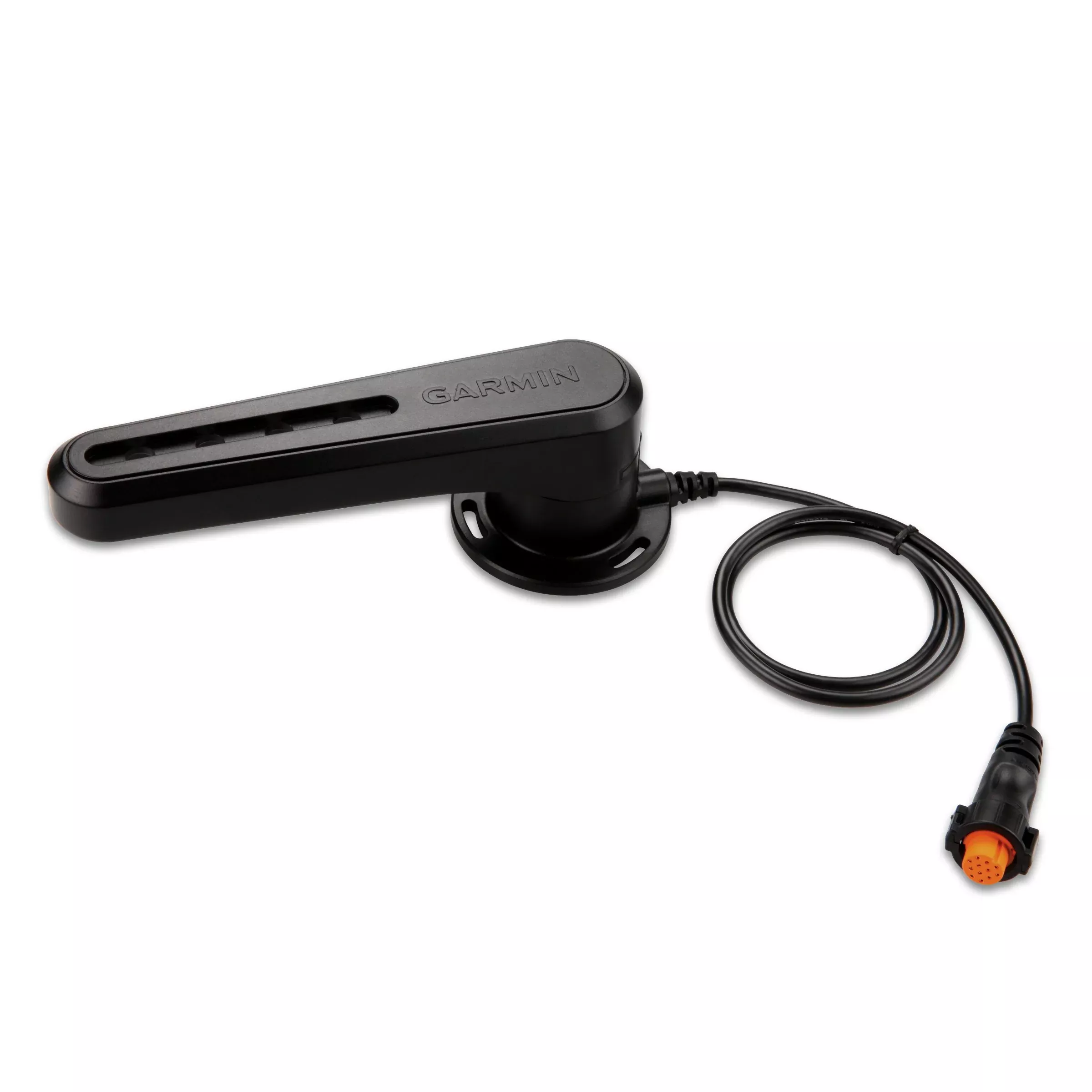
It links this sensor with the GHP 12™ to provide rudder position response and detect and avoid rudder stops during navigation.
The GRF 10 uses a magnetic sensor to transmit information about the position, eliminating the friction caused by the wear of other types of sensors. The arm of the GRF 10 is connected to the rudder of the boat and transmits information about the position through the sensor to the sailor so that he knows where the rudder is, which gives him greater peace of mind when leaving a position of stopping, docking, starting or moving at reduced speed.
In addition, GRF 10 allows sailors to:
- Know the position of the rudder without having to look back
- Perform more uniform maneuvers and avoid excessive compensation
- Reduce unnecessary wear and stress in the autopilot system by eliminating the force at the rudder once stopped to the left or right.
FAQs
Yes, the 300 mm rod can be shortened using a metal saw to suit your installation location.
The second hole from the tip of the sensor is preferred, but other holes may be used based on installation needs.
Usually the second hole from the sensor tip is used, but other holes may be used based on installation location.
Wear safety goggles, ear protection, and a dust mask when drilling, cutting, or sanding.
Always check what’s on the other side to avoid damaging the vessel.
Wear safety goggles, ear protection, and a dust mask when drilling, cutting, or sanding.
Always check what is on the opposite side of the surface to avoid damaging the vessel before drilling or cutting.
Key steps: keep rudder centered, align sensor arrows, mark/drill mounting holes, attach ball-joints and mounts, adjust rod length if needed, tighten fittings.
The rod should be installed level or within +/- 5 degrees of level to function properly.
A drill with 3.2 mm bit, 8 and 10 mm wrenches, 10 mm socket, metal saw, 2 Phillips screwdriver, tape measure, and pencil are required.
The package includes the GRF 10 sensor, mounting hardware (M4 screws, M6 locknuts and nuts, washer), tiller arm mount, two ball joint assemblies, and a threaded rod.
The sensor connects via a 12-pin rudder feedback connector to a compatible Garmin autopilot system.
The sensor and rudder rotation axes must be aligned for correct operation.
The rod connecting the sensor to the tiller arm is 300 mm (11.8 inches) long and it can be shortened if needed.
The maximum travel range is 140°, or 70° from center to each stop. Exceeding this may damage the sensor.
Contact the SailRACE team — as certified marine experts we’re happy to help with product selection, installation and after-sales servicing, before and after your purchase.