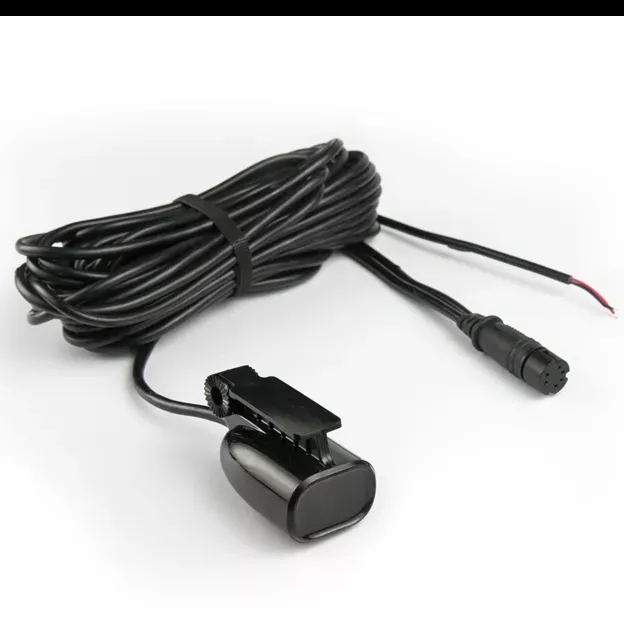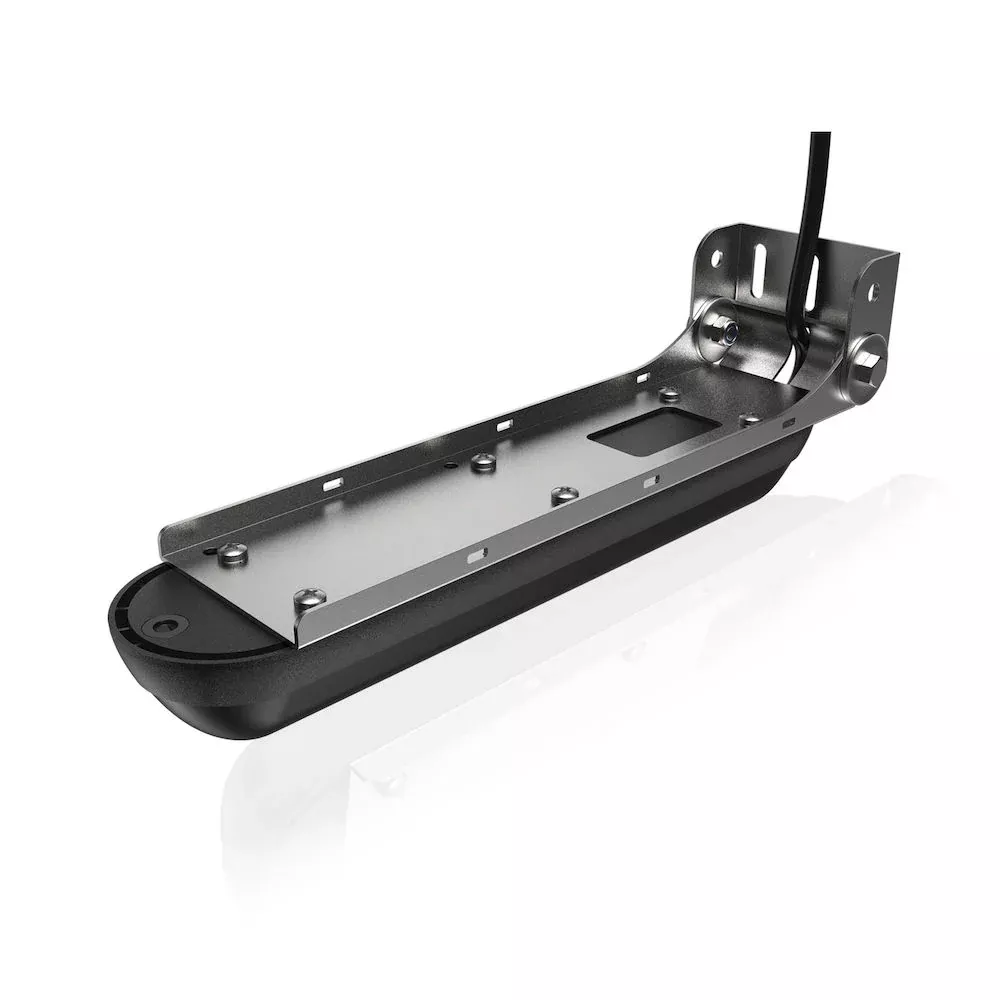
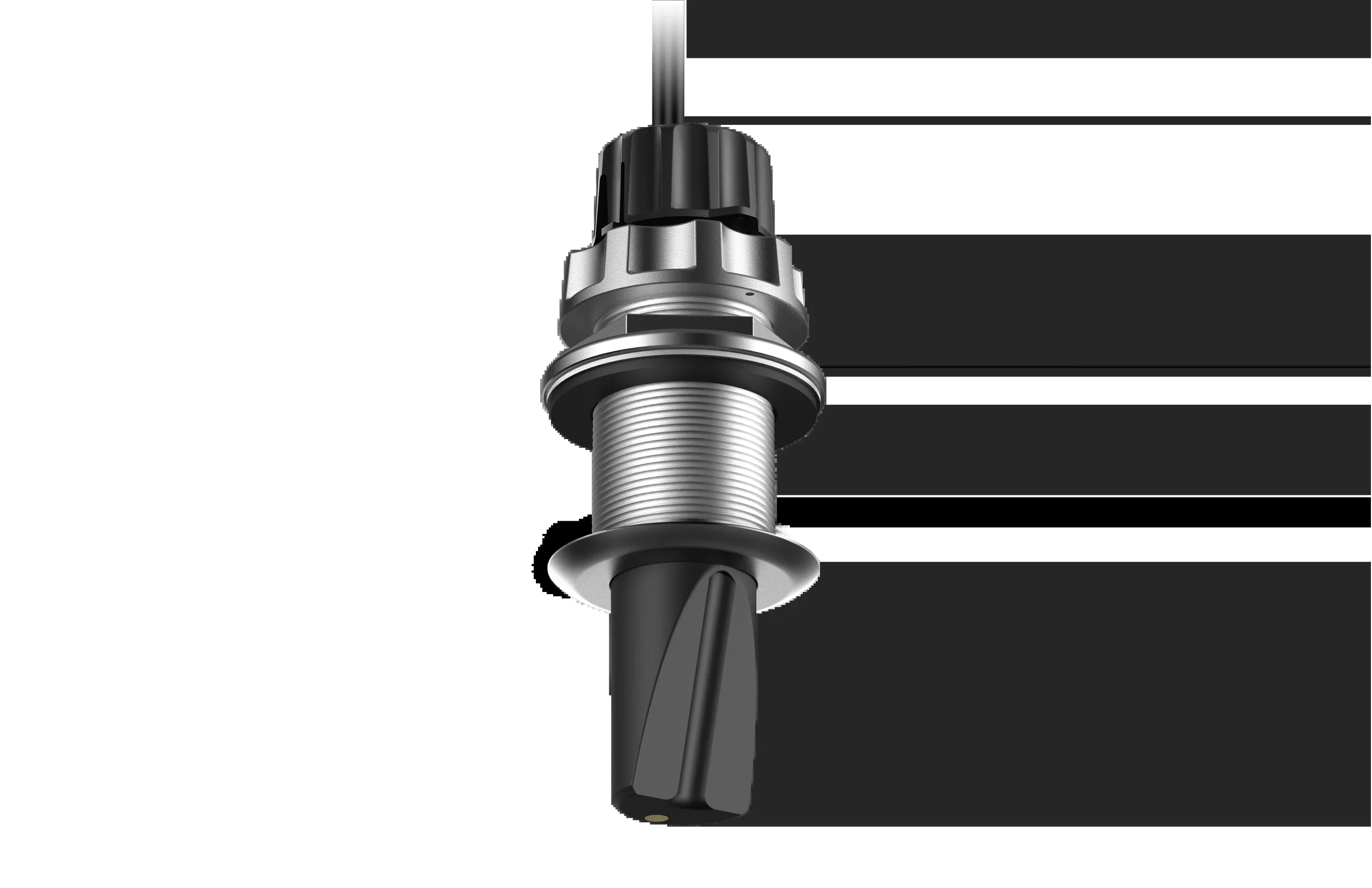
FrontVü premium forward-facing probe
- The front-facing premium FrontVü probe helps you prevent your boat from getting starred¹
- Forward-oriented probe with a narrow beam that focuses on the bottom located in front of the boat
- Show the bottom located in front of the boat in real time at a distance of up to 90 m (300 ft)
- It offers almost immediate answers to provide you with more reaction time
- With LiveVü forward, you will be able to see what is in front of and around the boat, even when it is stopped, at a distance of up to 30 m (100 ft)
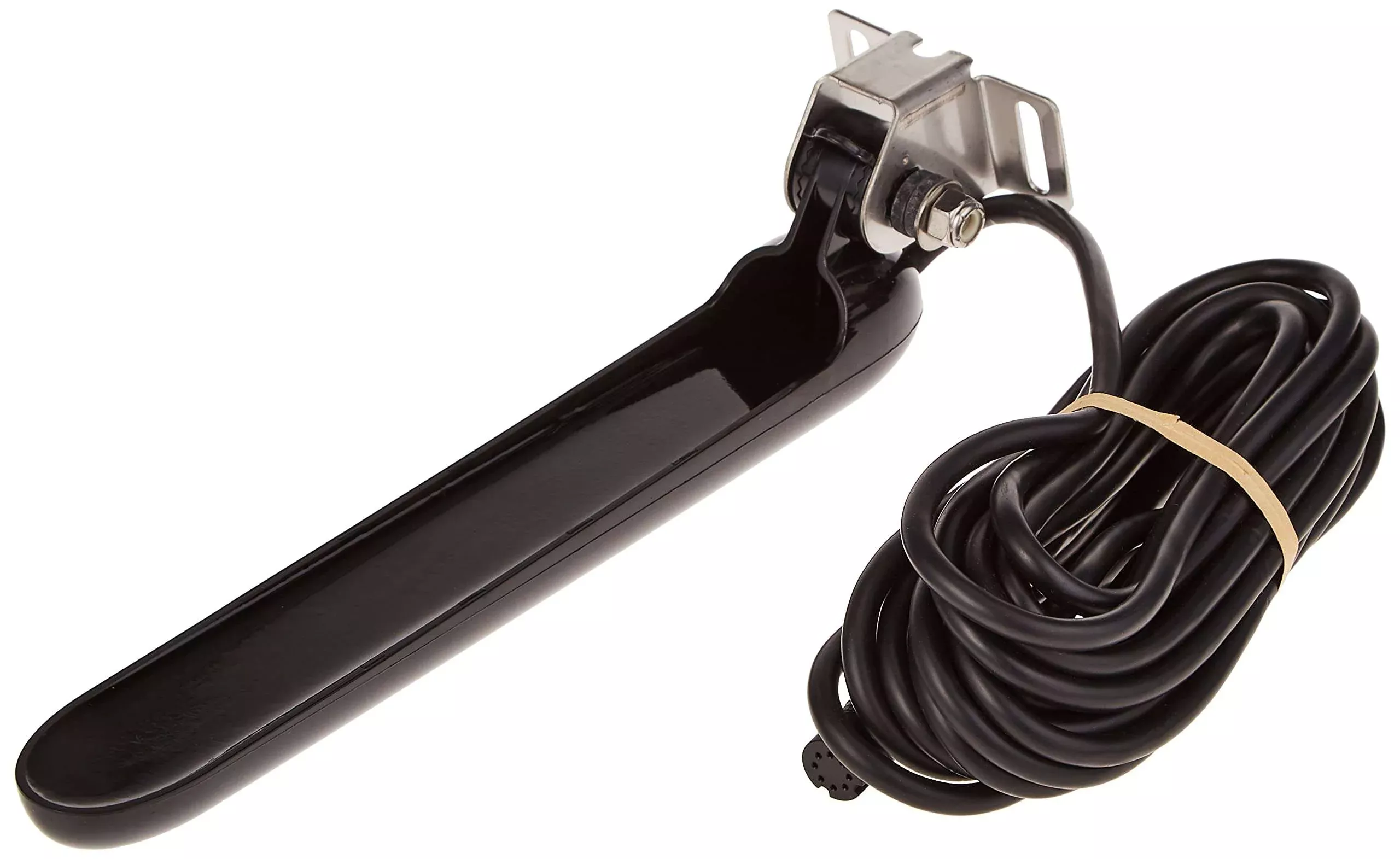
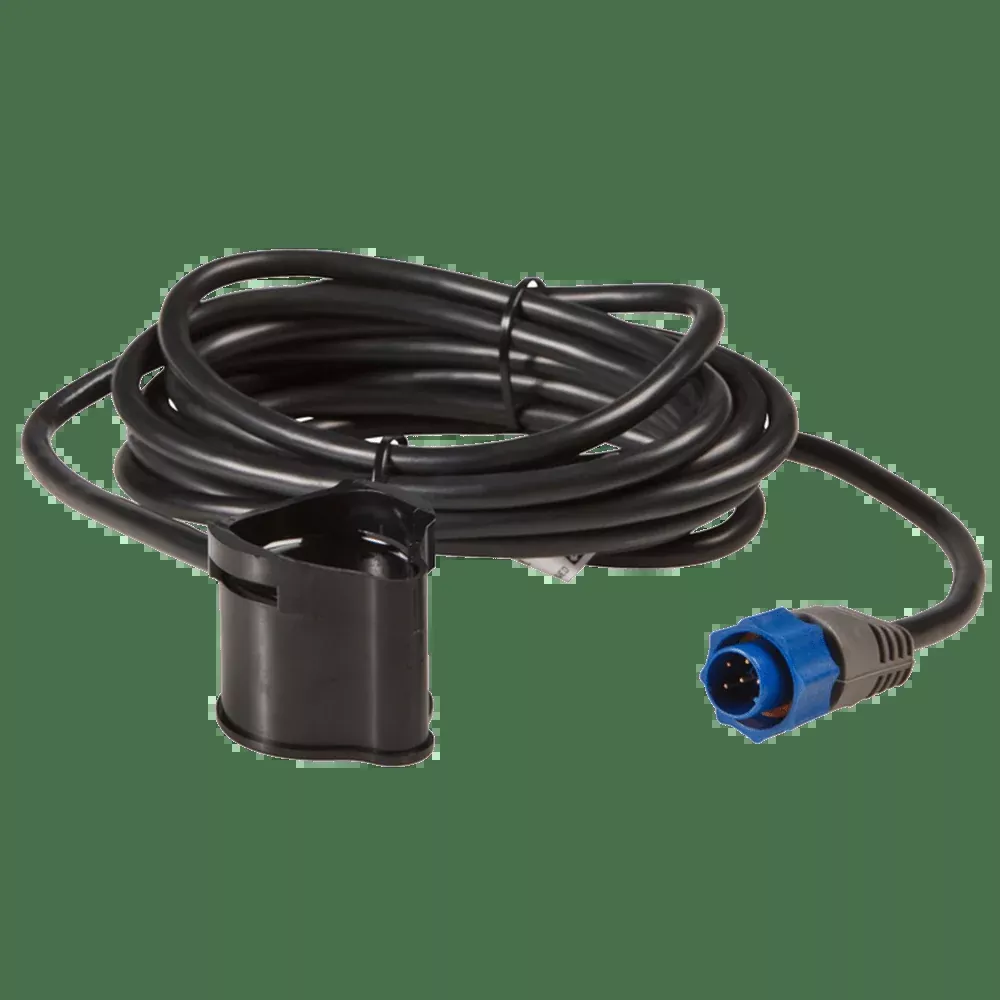
The Panoptix multi-beam cross-head transducer with front-facing premium FrontVü probe prevents your boat from being stuck1 by showing the bottom located in front of the boat in real time on the plotter. It also includes LiveVü forward probe to offer you the unique possibility of seeing fish, and even divers, swimming below and in front of your boat in real time, with a forward distance of 30 m (100 ft).
The Panoptix FrontVü probe shows the bottom that is in front of it up to a distance of 90 m (300 ft) from the boat (at 8-10 times the current depth) and offers almost immediate responses to provide you with more reaction time. You will be able to navigate in unknown waters with greater confidence, since Panoptix FrontVü has a forward-facing narrow beam probe (20 degrees). This allows you to focus on the bottom that is in front of the boat and not be confused with what is on the sides. It also includes an AHRS sensor for movement stabilization that allows you to see what is in front of the boat even in coarse sea conditions. In addition, all the image data of the forward-facing FrontVü probe can be easily shared with other plotters of the Garmin Nautical Network.
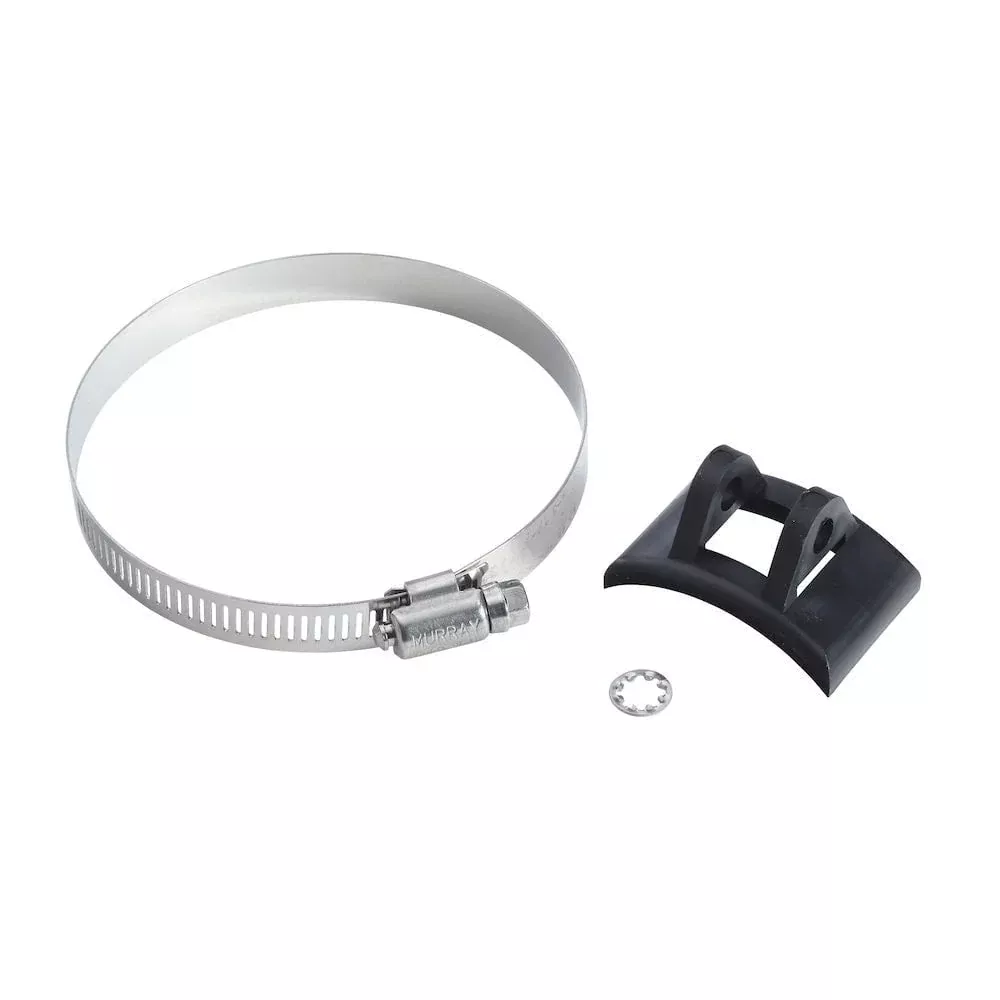
Panoptix PS51-TH incorporates a standard support for mounting through the 50.88 mm (2 inch) stainless steel helmet. It displays temperature and depth data and is compatible with all Garmin plotters that support Panoptix.
With LiveVü forward, the boat can be in motion or stopped. Whatever the orientation of the electric drag motor, you will see live images of what happens underwater. You can see the bait as it dives, as well as its depth and movement when you recover it. You can see how it moves in relation to the structure in the water. You can see the way the fish swim and react to the bait. If they attack, you will be able to see and feel how they sting. Once they are on the hook, you will be able to see the fight on the screen in real time. With Panoptix LiveVü forward, you will be able to see that everything comes to life at a distance of up to 30 m (100 ft). The rest of the probes are a thing of the past.
Specifications:
Physical and performance characteristics |
|
| Beam Width | 120° X 20° |
|---|---|
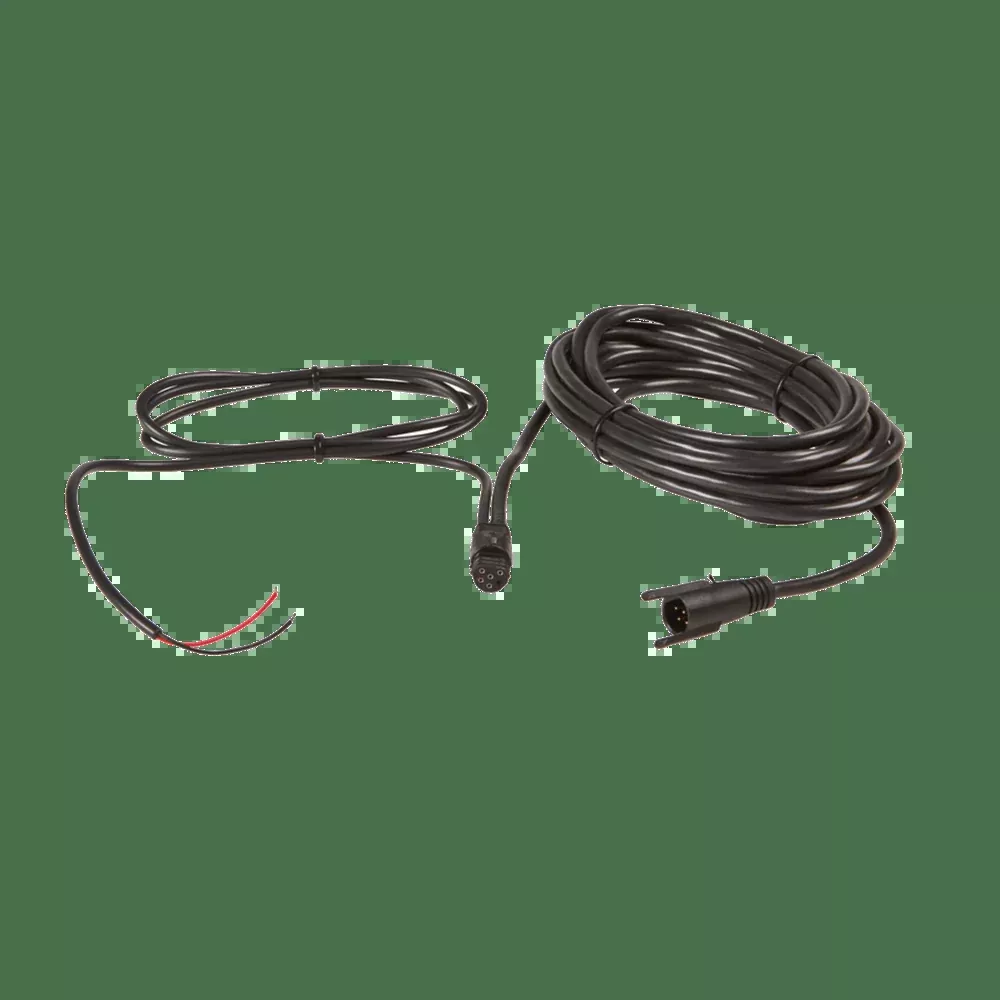
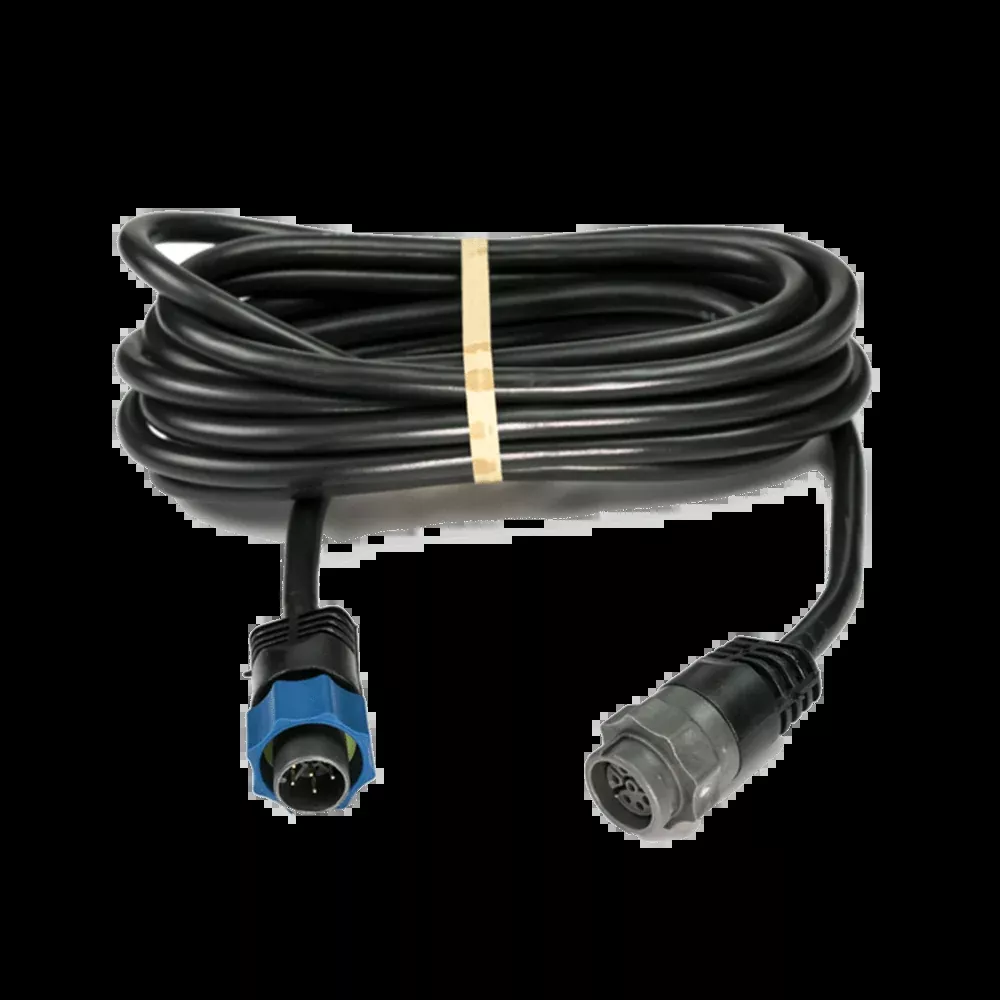
| Cable Length | 6 ft, power; 6 ft + 50 ft ext., Ethernet |
| Dimensions of the Unit (WIDTH/HEIGHT/DEPTH) | 1.58″ X 7.58″ (40 X 192.5 mm) |
| Weight | 1.8 lbs (800 g) |
| Water Resistance Classification | IPX7 |
| Temperature Range | 0° C to 50° c |
Electric |
|
| Feeding Input | 10-35 V |
|---|---|
| Electricity Consumption | 9 W |
| FUSE | 4.0 A |
Probe specifications and functions |
|
| Frequency | 417 kHz |
|---|---|
| Transmission Power | 96 W |
| Maximum Depth | 300′ (forward range is typically 8x depth) |
| Type of Probe | Antenna in multi-beam phase |
Connections |
|
| Garmin Marine Network Ports™ | 1 (large RJ45) |
|---|
Sonar Modes |
|
| LIVEVÜ Forward | Yes |
|---|---|
| FRONTVÜ |
FAQs
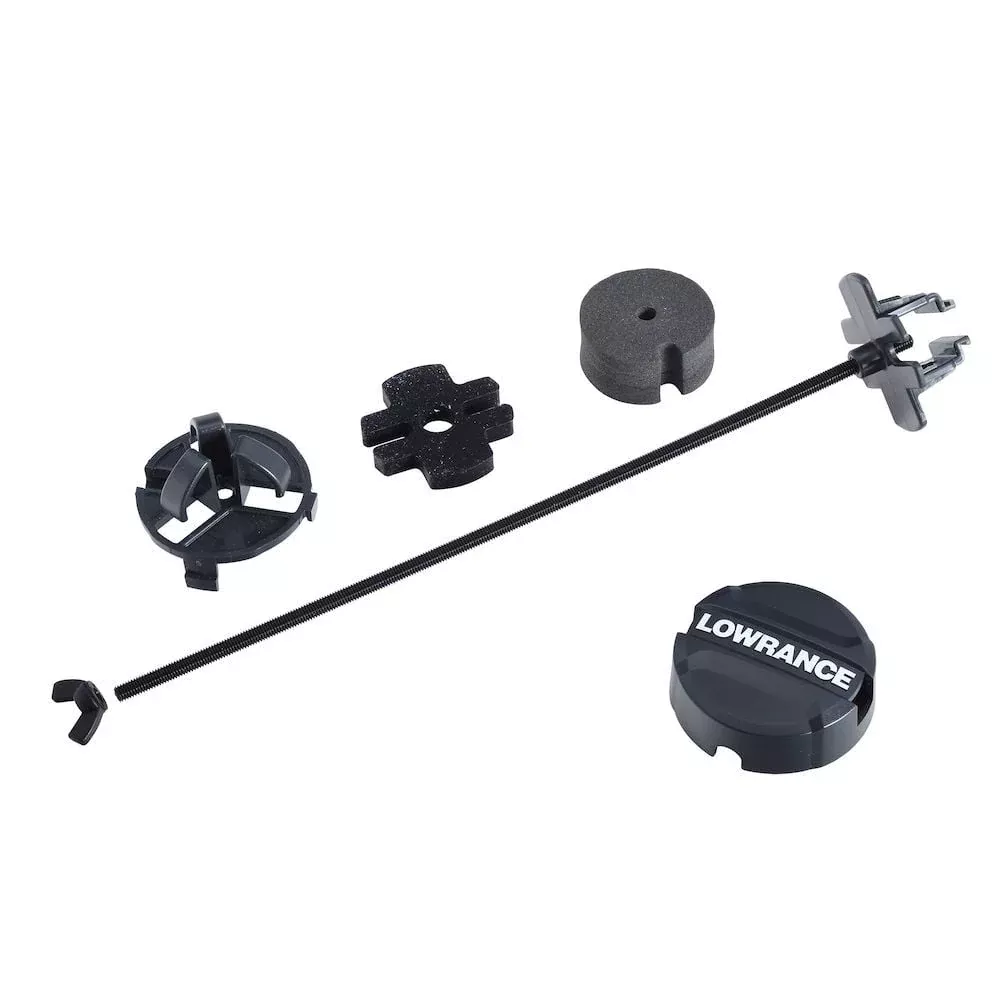
The PS51-TH is supplied with a thru-hull mount and fairing block for the correct fit, as indicated in product line-up tables.
The PS51-TH uses a thru-hull mounting system with a fairing block, designed for installation through a hole drilled in the boat hull.
For best performance, install all transducers according to the included installation instructions.
Thru-hull placement increases installation complexity and requires drilling a hole in the hull, so careful planning is necessary.
External thru-hull transducers usually require a fairing to aim the sound beam vertically, while flush styles often do not.
Placement increases installation complexity for thru-hull units and requires drilling a hole through the hull.
It is noted that there are thru-hull transducers for every hull material, enhancing its installation flexibility.
If you have installation difficulties, contact Garmin Product Support or a professional installer.
Pros: works with any engine type and hull material. Cons: requires a hole in the hull and complex placement.
Thru-hull transducers come in two styles: flush and external. Flush styles sit flush with the hull for reduced drag, while external types require a fairing.
Thru-hull mounts work with any engine type, power or sailboats, and are available for every hull material. They are often chosen for performance and signal return.
Install external thru-hull transducers in clean water forward of propellers and running gear to achieve the most effective signal return.
Contact the SailRACE team — as certified marine experts we’re happy to help with product selection, installation and after-sales servicing, before and after your purchase.